
Personal Branding for Freelancers: Build Your Online Presence
Personal Branding for Freelancers: Build Your Online Presence
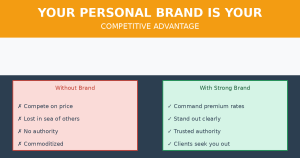
Your personal brand is what separates you from the thousands of other freelancers offering the same services. It’s why clients choose you over cheaper competitors. It’s why you can charge premium rates. And it’s something you can build starting today, regardless of your current experience level.
What Personal Branding Actually Means
Personal branding isn’t about being famous or having a massive social media following. It’s about being known for something specific. It’s the reputation you build, the values you communicate, and the results you deliver—consistently.
For freelancers, your personal brand answers three questions for potential clients: Who are you? What do you do? Why should I choose you? The stronger your brand, the easier it is to answer these questions and the faster clients move from “interesting” to “hired.”
A weak brand means competing on price. A strong brand means clients approach you because they know exactly what they’ll get. This is the difference between struggling to land projects and having clients come directly to you.
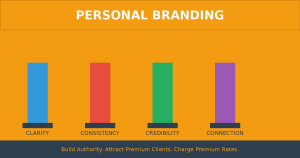
The Four Pillars of Freelance Personal Branding
1st Pillar: Clarity means knowing who you are and what you offer. Not “I do design work.” But “I create luxury brand identities for e-commerce businesses that want to stand out.” Clarity attracts the right clients and repels the wrong ones.
2nd Pillar: Consistency means showing up the same way across all platforms. Your messaging on LinkedIn matches your website matches your portfolio. When clients encounter you multiple times, they see the same person—professional, reliable, competent.
3rd Pillar: Credibility is built through results, testimonials, and demonstrated expertise. It’s not enough to say you’re good. You need to show it. Portfolio pieces, client testimonials, and case studies prove your competence.
4th Pillar: Connection means building relationships with your audience. You’re not just broadcasting; you’re engaging. You respond to messages, ask questions, and show genuine interest in helping others solve problems.
Alao Read: Client Communication: Red Flags and How to Handle Difficult Clients
Building Your Online Presence: The Foundation
1. Professional Website (Non-Negotiable) Your website is your home base. It’s where you own the narrative completely. Platforms like Upwork have thousands of competitors. Your website has one: you. Include your portfolio, clear description of what you do, client testimonials, and an easy way to contact you. Aim for simplicity. Your website should load in under 3 seconds and be mobile-friendly. One-page websites work fine; complex sites don’t convert better.
2. LinkedIn Profile (Essential) LinkedIn is where premium B2B clients find freelancers. Your profile should have a professional headshot, compelling headline (not just “Freelancer” but “Logo Designer for E-Commerce Brands”), complete work history, and recommendations from past clients. Post articles occasionally or share insights from your work. LinkedIn’s algorithm favors consistent posters. You don’t need to post daily, but weekly helps visibility.
3. Portfolio Platform (Recommended) Platforms like Behance, Dribbble, or Medium showcase your best work. These sites have their own traffic, so work you post there can attract clients directly. For designers, Behance is essential. For writers, Medium works well. Choose one platform that fits your niche and maintain it actively.
4. Email List (Long-Term Asset) This is underrated. Collect emails through your website. A newsletter where you share insights, tips, or case studies builds a direct relationship with potential clients. People on your list are more likely to hire you than random strangers. Start with a simple monthly newsletter if you’re new to this.
Your Brand Story: The Narrative That Sells
People don’t hire generic freelancers. They hire people with stories they relate to. Your story doesn’t need to be dramatic, but it should be authentic and relevant to your work. Here’s what to include: Where did you start? What problem made you become a freelancer? What drives your work now? What results do you create for clients?
Example brand story: “I spent five years as an in-house designer at a corporate agency. I saw how many small businesses were invisible online because they couldn’t afford professional branding. So I went freelance to work directly with e-commerce founders who want premium brands without premium prices. Now I help them build visual identities that make them stand out against competitors.”
This story is specific, explains motivation, and answers why a client should care. It’s 4 sentences. That’s enough. Use this story on your website, in your LinkedIn headline, in your about section everywhere. Consistency in storytelling builds brand recognition.
Positioning: Choose Your Niche
Generalists compete on price. Specialists compete on value. A “logo designer” faces competition from 50,000 others. A “luxury brand identity designer for e-commerce businesses” faces competition from maybe 100. The narrower your focus, the easier it is to become known as the expert.
Your niche should be the intersection of three things: what you’re good at, what you enjoy doing, and what clients will pay for. If all three align, you’ve found your positioning.
Examples of strong positioning: “Copywriting for SaaS founders” not “copywriting.” “Social media content for fitness brands” not “social media management.” “Proposal writing for consulting firms” not “business writing.” The specificity attracts the right clients and lets you charge premium rates because you understand their exact needs.
Action item: Write your positioning in one sentence. “I [specific service] for [specific client type] who [specific problem].” Example: “I design website funnels for coaching businesses who want to convert visitors into paying clients.” Use this sentence everywhere.
Content Strategy: Show Your Expertise
You don’t need to be everywhere. Pick one platform where your ideal clients spend time and build a presence there. If you’re targeting B2B clients, LinkedIn is non-negotiable. If you’re targeting creatives, Instagram or TikTok. If you’re targeting businesses, a blog on your website.
Content that works: Share knowledge from your work. Post case studies showing before/after results. Write about common client problems and how you solve them. Share templates, checklists, or frameworks you’ve created. Answer questions people ask you repeatedly. This positions you as knowledgeable without being salesy.
Posting frequency: Consistency matters more than frequency. Post weekly if you can maintain it. Monthly is better than sporadic. The goal is to appear reliably in your audience’s feed so when they need your services, you’re top of mind.
Content examples: “Three mistakes design clients make that waste their budget.” “Why your pricing strategy is costing you income.” “How to write proposals that close deals.” “5 portfolio pieces that landed me premium clients.” Case studies are powerful. Show a real project, explain the challenge, show your solution, and highlight results. This is the content that converts strangers into clients.
Social Proof: Testimonials and Reviews
Testimonials are your most powerful marketing tool. They’re not coming from you; they’re coming from satisfied clients. This makes them incredibly persuasive. Ask every client for a testimonial before you close the project. Make it easy: “Would you mind sharing a sentence or two about your experience working with me?” Most will say yes.
Display testimonials on your website, LinkedIn, and Upwork profile. Video testimonials are even better. If a client will record a short 30-second video saying why they’d recommend you, that’s incredibly powerful. Many freelancers skip this. Don’t. Testimonials convert.
Same with portfolio pieces. Your strongest portfolio items aren’t your personal projects; they’re client work where you can show real results. “Increased email signups 45%” or “Helped client land $50K in contracts” is more compelling than “Created beautiful brand identity.”
Pro tip: After completing a project, send a follow-up email: “I’d love to know how you felt about our work together. A quick review on [platform] would mean a lot and help other businesses like yours find quality freelancers.”
Professional Appearance: The Visual Brand
Your headshot matters. It should be professional, well-lit, and friendly. If you’re a designer or creative, it can be more stylized. If you work with corporate clients, it should be more traditional. Your headshot appears on your website, LinkedIn, and everywhere. Make it good. Invest in a professional photo if needed ($200-400 for quality photos is worth it).
Color palette and design consistency also matter. If you work in design, your own brand should reflect your design philosophy. If you’re a writer, your website design should feel clean and readable. If you’re a strategist, it should feel professional and premium. Your brand aesthetic should signal your positioning and values.
Check your email signature too. It should include your name, title, website link, and maybe a portfolio link. This is a small detail that appears in every email you send. Make it professional.
Also Read:Freelance Pricing Strategies: How to Charge What You’re Worth
Building Relationships: The Networking Layer
Personal branding isn’t just about broadcasting. It’s about building relationships with people in your niche. Engage with other freelancers and potential clients. Comment thoughtfully on their LinkedIn posts. Share their content. Send personalized messages (not automated connection requests). Ask questions. Help others solve problems.
Join communities relevant to your niche. Slack groups, Facebook groups, Reddit communities, industry forums—wherever your ideal clients gather, show up with genuine engagement. Help more than you ask. Share knowledge freely. This positions you as generous and knowledgeable, which builds reputation.
Virtual or in-person networking events are valuable too. Speaking at webinars, attending conferences, or hosting your own workshop positions you as an expert. You don’t need a huge audience. Even 50 people watching you speak online is valuable brand building.
Measuring Your Brand Strength
Your brand is working when: Clients find you directly through your website or LinkedIn without going through platforms. People recognize you in your niche and refer clients to you. You can raise rates and still book projects. You get inbound inquiries instead of chasing projects. Clients choose you over cheaper competitors because of your reputation.
Track metrics: Website traffic, LinkedIn profile views and engagement, inbound inquiries, repeat clients, testimonials received. If you’re not seeing growth in these areas after 6 months, something needs adjustment. Either your positioning isn’t clear, your content isn’t resonating, or you’re not visible enough.
Your 90-Day Personal Branding Action Plan
- Month 1: Create/update your professional website. Upload your best 5-10 portfolio pieces. Write your brand story and positioning statement.
- Month 1: Optimize your LinkedIn profile with professional headshot, compelling headline, full description, and work samples.
- Month 2: Request testimonials from your last 3 clients. Display them on your website and LinkedIn.
- Month 2: Start posting content on your chosen platform (LinkedIn, blog, Instagram). Aim for 2-4 posts weekly.
- Month 3: Create one case study showing a project, challenge, solution, and results.
- Month 3: Join one community relevant to your niche. Engage consistently.
Final Thoughts
Personal branding is a long-term asset. You’re building reputation capital that compounds over time. Early on, it feels like you’re shouting into the void. But eventually, past clients refer you. Content you wrote months ago attracts leads. Your reputation precedes you. This is when freelancing becomes easier and more profitable.
The best time to start building your brand was yesterday. The second best time is today. Start with clarity about who you are and what you offer. Build your website. Get testimonials. Create content. Show up consistently. In 6-12 months, you’ll have a brand that attracts premium clients and commands premium rates.
About the author: Based on years of freelance experience building personal brands that attract premium clients. This guide reflects practical strategies tested across design, content, and service-based freelance work.
About The Author
