
Tapan Das Biography: The Life, Films, and Legacy of Assam’s Legendary Actor and Writer
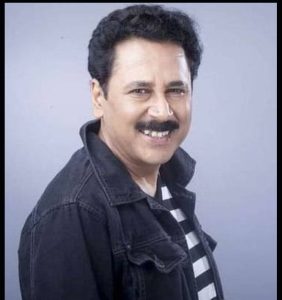
Tapan Das Biography: The Life, Films, and Legacy of Assam’s Legendary Actor and Writer
Tapan Das Biography. The cultural narrative of Assam cannot be written without acknowledging the immense contributions of Tapan Das. A versatile trailblazer, Das has spent over four decades serving as a premier actor, theatre director, story writer, and celebrated recitation artist. He is a rare creative force who seamlessly bridges the gap between commercial popularity and intellectual artistic depth.
Whether commanding the stage of legendary mobile theatres (Bhramyaman) or portraying complex human characters in award-winning films like Sendoor, Aavartan, and Ramdhenu, Tapan Das has redefined the parameters of Assamese acting. This comprehensive biography explores his early life, academic background, cinematic journey, theatrical legacy, literary pursuits, and deep personal milestones.
Tapan Das Early Life and Education
Tapan Das was born on January 11, 1962, in the historic city of Guwahati, Assam. His childhood was defined by a unique exposure to the diverse landscapes and shifting sub-cultures of the state. His father was an esteemed official in the Public Works Department (PWD) of the Government of Assam. Because of the transferable nature of his father’s government service, the family moved frequently, forcing young Tapan to attend various schools across different districts of Assam.
Far from being a disruption, this nomadic childhood gifted him a unique opportunity to observe distinct regional dialects, human behaviors, and local cultures. These early observations would later form the raw foundation for his realistic acting method.
By the early 1980s, while still a high school student, Das became deeply infatuated with the stage. Despite his growing obsession with the dramatic arts, he maintained an excellent academic record. He went on to secure admission into the prestigious Assam Engineering College (AEC) in Guwahati, pursuing a technical education. However, the pull of the creative arts was far more powerful than the structural lure of engineering formulas. Campus plays and local Guwahati theatre groups quickly became his primary domain, paving the way for a historic career change.
Tapan Das Cinematic Journey
Tapan Das formally transitioned from local amateur stage plays to commercial cinema in 1984. He was cast by the visionary filmmaker Pulak Gogoi in the landmark Assamese film Sendoor. The film was a major commercial success, and Das’s intense screen presence, sharp dialogue delivery, and natural performance instantly made him a sought-after leading man in Jollywood.
Across the succeeding several decades, Das appeared in over twenty prominent cinematic releases, carefully electing to take on roles that pushed his creative limits.
His filmography traces the evolution of modern Assamese cinema:
- Pita Putra (1987): Directed by Munin Barua, this phenomenal family drama solidified his position as a household name capable of delivering emotionally high-stakes performances alongside veteran ensembles.
- Aavartan (1993): Directed by the legendary cultural icon Bhabendra Nath Saikia, this film is widely considered a masterpiece of Indian regional cinema. Das delivered a highly restrained, intellectually mature performance that earned him vast critical acclaim across national film circles.
- Itihas (1995): Another brilliant collaboration with Bhabendra Nath Saikia, highlighting his ability to delve into the dark, psychological depths of human conflict and societal decay.
- Dagun and Kanyadaan (2002): Commercially successful features that showed his adaptability in anchoring modern, glossy commercial cinema during the industry’s box-office transitions.
- Dinabandhoo (2004): A critically lauded art-house project where Das demonstrated his mastery over minimalist, natural acting.
- Ramdhenu (2011): Directed by Munin Barua, this cinematic blockbuster reinvented Das for a completely new generation of moviegoers. His performance as a mature, anchoring character was universally praised by critics and fans alike.
Tapan Das Dominating the Stage
While cinema gave him widespread fame, it was the raw, high-voltage world of Assamese Mobile Theatre (Bhramyaman) that truly defined Tapan Das’s legacy as a cultural mass icon. Mobile theatre is a unique, multi-million-dollar cultural phenomenon native to Assam, where massive theatre companies travel across remote villages and urban centers, setting up temporary mega-stages to perform complex plays with state-of-the-art special effects.
Das became one of the highest-paid and most revered actors in the history of mobile theatre. He breathed life into complex characters across the state’s premier theatre banners:
Also Read: Purabi Sarma Biography: The Golden Era Legend of Assamese Cinema and Television
Legendary Kohinoor Theatre Era
During the 1993–1994 season, Tapan Das spearheaded the legendary Kohinoor Theatre, delivering record-breaking performances that are still discussed in Assamese dramatic history. His physical dynamism, booming vocal projection, and ability to hold the undivided attention of over five thousand live spectators night after night earned him a legendary reputation.
Architectural Directorial Ventures
Das did not restrict his stage career to acting. He stepped behind the curtains as a theatrical director, revolutionizing stage design, lighting, and narrative structures for major banners like Hengul Theatre, Bordoisila, Shakuntala Theatre, Rajtilak Theatre, and Theatre Surjya. His directorial vision brought a cinematic fluidity to the live stage, introducing contemporary themes and complex blocking that elevated regional theatre standards to international heights.
Tapan Das Literary Achievements and the Art of Recitation
What sets Tapan Das apart from typical commercial stars is his deep, profound connection to literature and the written word. He is widely recognized as an accomplished short story writer. His stories, most notably his celebrated work Meghmallar, have been published in top-tier Assamese literary magazines like Bismoi, earning him respect among the literary intelligentsia of Northeast India. His writing style is deeply descriptive, focusing on the psychological nuances of ordinary individuals trapped in extraordinary circumstances.
Parallel to his writing, Das is a legendary pioneer in the field of audio recitation (Abriti). Armed with a deep, resonant voice and perfect linguistic diction, he transformed the recitation of Assamese poetry into a commercial art form.
His audio albums, particularly his recitations of the avant-garde, romantic, and socio-political poems of iconic poet Nilim Kumar, became a mass phenomenon. During the closing decades of the twentieth century and the early years of the millennium, these tape cassettes and compact discs routinely resonated throughout local residences, public transit, and college campuses across Assam, effectively bringing literary verse to everyday listeners.
Tapan Das Personal Life
Tapan Das’s personal life was beautifully interwoven with his artistic journey. He was married to the legendary veteran Assamese actress Purabi Sarma (also known as Purabi Sharma).
Purabi Sarma was an iconic star in her own right, having made a historic debut in the 1980 blockbuster Ajoli Nabou and starring in the National Award-winning classic Pratham Ragini. Together, residing in their quiet home in the Shantipur locality of Guwahati, they formed one of the most respected power couples in regional Indian cinema. Their artistic union was built on deep mutual respect, with both continuously supporting each other’s experimental ventures across films and mobile theatre networks. They were blessed with a daughter who remains a central part of his life.
Tragically, on the evening of July 14, 2026, this beautiful partnership came to a sudden, heartbreaking end. Purabi Sarma suffered a sudden, massive cardiac arrest at their Guwahati residence. She was rushed to a nearby hospital but was tragically declared dead upon arrival at the age of 76.
The sudden loss of his wife plunged Tapan Das and the entire cultural fraternity of Assam into deep mourning. Fellow actors, government dignitaries, and thousands of grieving fans converged upon his Shantipur residence to offer support to Das during this immense personal tragedy.
Tapan Das Landmark Awards and Institutional Recognition
Throughout his illustrious career, Tapan Das has been honored with numerous prestigious accolades celebrating his multifaceted contributions to Assamese art:
| Year | Award Name | Conferred By / Significance |
|---|---|---|
| 2012 | Rupkar Award | Awarded for his extraordinary lifetime contributions to Assamese cinema and stage acting. |
| 2021 | Bismoi Literary Award | Presented in recognition of his excellence as a short story writer and contribution to Assamese periodicals. |
| Ongoing | Lifetime Achievement Honors | Conferred by various cultural organizations, mobile theatre associations, and regional film bodies like the Prag Cine Awards. |
Complete Filmography, Iconic On-Screen Roles
The following table presents a structured overview of Tapan Das’s legendary journey across the silver screen, highlighting the depth of his cinematic career:
| Movie Title | Year | Director | Key On-Screen Significance |
|---|---|---|---|
| Sendoor | 1984 | Pulak Gogoi | His historic leading debut; a major box-office hit. |
| Pita Putra | 1987 | Munin Barua | Cult classic family drama that established his commercial stardom. |
| Aavartan | 1993 | Dr. Bhabendra Nath Saikia | Highly acclaimed art-house classic; deep psychological character. |
| Itihas | 1995 | Dr. Bhabendra Nath Saikia | Critically acclaimed masterpiece exploring social issues. |
| Kanyadaan | 2002 | Munin Barua | Massive commercial block-buster alongside his late wife Purabi Sarma. |
| Dinabandhoo | 2004 | Munin Barua | Intense, high-art performance praised by national critics. |
| Ramdhenu | 2011 | Munin Barua | Rebuilt his box-office status as a premier mature actor. |
| Samiran Barua Ahi Ahe | 2012 | Prodyut Kumar Deka | A sharp political thriller showcasing his versatile acting capacity. |

Frequently Asked Questions (FAQ)
Who is Tapan Das and what is he famous for?
Tapan Das is a legendary Indian actor, director, writer, and recitation artist from Assam. He is famous for his powerful leading roles in Assamese cinema, his record-breaking performances in mobile theatres (Bhramyaman), and his pioneering audio albums of poetry recitation.
What was the debut film of Tapan Das?
Tapan Das made his grand cinematic debut in the year 1984 with the critically acclaimed and commercially successful Assamese feature film Sendoor, directed by Pulak Gogoi.
Was Tapan Das married to another famous artist?
Yes, Tapan Das was married to the iconic veteran Assamese actress Purabi Sarma (Purabi Sharma), who famously starred in classics like Ajoli Nabou and Pratham Ragini. Tragically, she passed away following a sudden cardiac arrest on July 14, 2026.
What are Tapan Das’s contributions to Assamese literature?
Beyond acting, Tapan Das is an accomplished short story writer whose stories, like Meghmallar, have been featured in top magazines like Bismoi. He is also renowned for his poetry recitation albums, which popularized the works of modern poets like Nilim Kumar across the masses.
What major awards has Tapan Das received?
He has received several honors, including the prestigious Rupkar Award in 2012 for his monumental contributions to stage and screen, alongside various lifetime achievement recognitions from literary and cinematic bodies in Northeast India.
Also Read: Pyarelal Ramprasad Sharma Biography: The Legendary Career of Bollywood’s Master Arranger
Conclusion
Tapan Das represents a golden era of creative expression in Northeast India—a time when an artist could seamlessly transition from a mechanical engineering classroom to a chaotic traveling theatre stage, write poignant literature, and hold thousands spellbound with the power of vocal poetry. His life’s work stands as a masterclass in creative discipline and artistic versatility.
As he navigates a deeply challenging period of personal grief following the tragic loss of his lifelong partner Purabi Sarma in mid-2026, the immense legacy he has built over forty years continues to stand strong. Tapan Das remains a living institution of the Assamese cultural landscape, a true renaissance man whose timeless movies, lingering stage performances, and resonant voice will forever guide future generations of South Asian storytellers.
About The Author
