
Okoth Obado Biography: Political Career, Achievements, Controversies
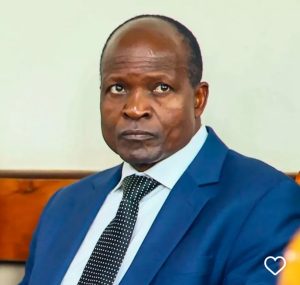
Okoth Obado Biography
Okoth Obado Biography: The Rise, Political Career, Achievements, Controversies, and Legacy of the Former Migori Governor
Zachary Okoth Obado is a Kenyan politician, former educator, and public administrator who served as the first Governor of Migori County from 2013 to 2022. Throughout his political career, he emerged as one of Kenya’s most influential county leaders following the introduction of devolved government under the 2010 Constitution. His leadership saw the implementation of numerous development projects in healthcare, infrastructure, agriculture, water supply, and education across Migori County.
However, Obado’s political legacy has also been shaped by high-profile legal controversies. His name became widely known following the 2018 murder of Rongo University student Sharon Otieno, a case that attracted nationwide attention for several years. In July 2026, the High Court convicted Obado and two co-accused of murder after finding that the prosecution had proved its case beyond reasonable doubt.
Despite these developments, Obado’s journey from a classroom teacher to one of Kenya’s most prominent county governors remains an important chapter in the country’s political history.
Okoth Obado Early Life and Family Background
Zachary Okoth Obado was born in Migori County, Kenya, where he spent his childhood and developed a close connection with the local community. Although he later became a national political figure, he largely kept details of his early family life private.
Growing up in a rural setting exposed him to many of the social and economic challenges faced by ordinary Kenyans, including limited infrastructure, poverty, and unequal access to public services. These experiences would later influence his political agenda, particularly his emphasis on expanding healthcare, road networks, education, and water access during his tenure as governor.
Friends and colleagues have often described him as ambitious, disciplined, and determined from a young age. Education became a central part of his early life, eventually leading him into the teaching profession before entering politics.
Okoth Obado Education
Obado attended St. Joseph’s Rapogi Secondary School, one of the respected educational institutions in Migori County, where he completed his secondary education.
He later joined Kenyatta University, earning qualifications that enabled him to pursue a career in education. His academic background prepared him for leadership positions in schools and later in public administration.
His years in education also helped him develop management and communication skills that would prove valuable throughout his political career.
Also Read: Mbukinya Transport Founder Biography: The Inspiring Story Behind a Trusted African Transport Brand
Okoth Obado Teaching Career
Before becoming involved in politics, Okoth Obado built his career as a teacher.
His dedication to education saw him rise through the ranks to become the principal of Chung’e Secondary School, where he gained recognition for his administrative abilities and commitment to improving academic standards.
As a school principal, Obado managed teachers, students, budgets, and school development projects. These responsibilities strengthened his leadership experience and increased his visibility within the local community.
His success in education laid the foundation for his transition into public service.
Okoth Obado Career in Public Administration
Following his work in education, Obado moved into public administration within Kenya’s sugar sector.
He served as the Chairman of the Kenya Sugar Board, a role that involved oversight of policies affecting one of Kenya’s most important agricultural industries. The position gave him national exposure and allowed him to work closely with farmers, policymakers, and government institutions.
His experience in the sugar industry further enhanced his understanding of governance, public finance, and economic development.
Okoth Obado Entry into Politics
Obado’s political ambitions became evident in 2007 when he sought the Orange Democratic Movement (ODM) nomination for the Uriri parliamentary seat. Although he did not secure the nomination, the experience strengthened his political network and increased his profile within Migori County.
Kenya’s adoption of the devolved system of government under the 2010 Constitution created new opportunities for county leadership. Recognizing this opportunity, Obado contested the newly created position of Governor of Migori County in the 2013 general election on the People’s Democratic Party (PDP) ticket.
His campaign focused on improving healthcare, road infrastructure, agricultural development, education, and access to clean water. These promises resonated with many voters, and he was elected as the first Governor of Migori County, making history as the county’s inaugural chief executive.
Okoth Obado First Term as Governor (2013–2017)
As the first governor, Obado faced the challenge of establishing county institutions from the ground up.
His administration prioritized:
Construction and rehabilitation of roads.
Expansion of county health facilities.
Improvement of water supply projects.
Strengthening agricultural support programs.
Investment in early childhood education.
Recruitment of healthcare workers.
The transition to devolved government required counties to develop administrative systems while simultaneously delivering public services. Obado’s government focused on building county capacity and increasing access to services for residents.
Supporters credited his administration with improving infrastructure and expanding healthcare facilities, while critics questioned aspects of procurement, spending, and governance. Like many county governments in Kenya’s early devolution period, his administration operated under intense public and political scrutiny.
Okoth Obado Re-election in 2017
Following his first term, Okoth Obado sought a second five-year mandate during Kenya’s 2017 General Election. He contested as an independent candidate after political disagreements with the Orange Democratic Movement (ODM), one of the country’s leading political parties. Running as an independent was considered a significant political gamble, but Obado retained a strong support base across sections of Migori County.
His campaign emphasized continuity in development projects, improved healthcare services, better roads, expanded access to clean water, and increased support for agriculture. He argued that his first term had laid the foundation for county development and that a second term would allow his administration to complete ongoing projects.
After a closely watched election, Obado was re-elected as the Governor of Migori County. His victory demonstrated the influence of local political dynamics and the importance of personal popularity in county politics.
Okoth Obado Development Projects and Achievements
During his tenure, Obado’s administration implemented several development initiatives intended to improve public services within Migori County.
Healthcare
Healthcare remained one of the administration’s primary priorities. The county government invested in upgrading health facilities, expanding maternity services, recruiting medical personnel, and improving access to healthcare in rural areas.
Several hospitals and health centers received new equipment, while county funding supported efforts to improve maternal and child healthcare services.
Road Infrastructure
Road development formed another major part of Obado’s agenda. The county government constructed and rehabilitated roads to improve transport between towns, villages, markets, schools, and healthcare facilities.
Improved road networks were expected to facilitate trade, reduce travel time, and improve access to essential services.
Water Projects
Recognizing the importance of clean and reliable water supplies, the county government implemented various water projects aimed at increasing access to safe drinking water for households and institutions.
These projects sought to reduce the burden on communities that previously depended on unreliable water sources.
Agriculture
Agriculture is one of Migori County’s key economic sectors. Obado’s administration introduced programs intended to support farmers through improved extension services, access to agricultural inputs, and initiatives designed to increase productivity.
The county also encouraged investment in livestock farming and crop production as a means of improving household incomes.
Okoth Obado Education
Although education is primarily managed by the national government, county governments support early childhood development education. Obado’s administration invested in constructing classrooms, improving learning environments, and supporting early childhood education centers.
These initiatives reflected his background as an educator and his belief in education as a driver of long-term development.
Okoth Obado Leadership Style
Observers often described Obado as a confident and decisive leader. His administrative style emphasized direct engagement with development projects and visible implementation of county programs.
Supporters viewed him as accessible and development-oriented, arguing that he focused on delivering infrastructure and public services rather than engaging solely in political rhetoric.
Critics, however, argued that some aspects of county governance required greater transparency and accountability. As with many public officials, perceptions of his leadership differed depending on political perspectives and evaluations of his administration’s performance.
Okoth Obado Political Influence
During his years as governor, Obado became one of the most influential political figures in Migori County. His decisions often shaped local political alliances, and he played an important role in county politics during both his first and second terms.
His ability to win re-election as an independent candidate highlighted his personal political influence beyond party structures.
At the national level, he participated in discussions involving county governments, devolution, and public administration through the Council of Governors and other intergovernmental forums.
Okoth Obado Challenges in Office
Leading a county government involved numerous challenges.
Like many county administrations, Migori County faced budget constraints, competing development priorities, and public expectations for rapid improvements in infrastructure and service delivery.
Economic fluctuations, changing national policies, and administrative demands placed additional pressure on county leadership.
Balancing development goals with available financial resources remained an ongoing challenge throughout Obado’s administration.
Okoth Obado Corruption Allegations
During his time in office, Obado also faced allegations relating to the management of county resources. Kenya’s Ethics and Anti-Corruption Commission (EACC) investigated procurement and financial management within the county government.
Obado denied wrongdoing in relation to these allegations, and the investigations formed part of broader national efforts to strengthen accountability in public institutions.
The allegations attracted significant media attention and contributed to public debate about governance and financial management in devolved governments.
Sharon Otieno Murder Case
One of the most significant events affecting Obado’s public life was the murder of Sharon Otieno, a university student, in September 2018.
The case received extensive national attention and became one of Kenya’s most closely followed criminal trials.
Prosecutors claimed that Obado, along with two other defendants, had allegedly participated in a plot that led to Otieno’s death.
Obado denied the allegations throughout the proceedings.
The trial lasted several years, during which numerous witnesses testified and extensive evidence was presented before the High Court.
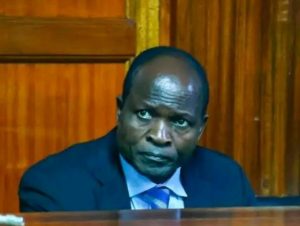
In July 2026, the High Court found Obado and his two co-accused guilty of murder after concluding that the prosecution had proved its case beyond reasonable doubt. Sentencing followed in accordance with Kenyan law.
The conviction marked a major turning point in Obado’s public life and significantly influenced how his political career is viewed in retrospect.
Okoth Obado Public Image
Before the legal proceedings, Obado was widely recognized as an influential county governor and experienced administrator.
Some people continued to acknowledge his role in county development, while others viewed the conviction as the defining aspect of his legacy.
The case remains one of the most widely discussed legal and political events involving a former Kenyan governor in recent years.
Okoth Obado Personal Life
Despite spending many years in public office, Zachary Okoth Obado has generally kept much of his personal life away from the public spotlight. He is known to be a family man, although he rarely discussed his private affairs during his time as governor. His family occasionally came into public attention during legal proceedings and media coverage, but Obado consistently maintained that his private life should remain separate from his public responsibilities.
Outside politics, Obado’s background as a teacher reflected his long-standing interest in education and leadership. Before entering elective politics, he built a reputation as an educator and administrator, experiences that shaped his approach to governance and public management.
Okoth Obado Wealth and Net Worth
There is no verified or officially confirmed estimate of Okoth Obado’s net worth. While various online sources have published figures about his wealth, these estimates are speculative and have not been substantiated by official financial disclosures or credible independent investigations.
As governor, Obado earned a salary and benefits provided under Kenyan law. He also owned business interests before joining elective politics. However, any specific claims about his personal wealth should be treated with caution unless supported by reliable public records.
Also Read: Bal Gangadhar Tilak: Architect of India’s Swaraj Movement
Okoth Obado Leadership Legacy
Okoth Obado’s legacy is complex and continues to generate debate among political observers, residents of Migori County, and Kenyans generally.
Supporters point to the development projects implemented during his two terms as governor. They credit his administration with expanding healthcare facilities, improving road infrastructure, supporting agricultural initiatives, investing in water projects, and strengthening county institutions during the early years of devolution.
His election as the first Governor of Migori County placed him in the challenging position of establishing a new county government from the ground up. Building administrative structures, recruiting staff, and implementing county services required significant organizational effort during the transition to devolved government.
Critics, however, argue that his tenure was overshadowed by governance concerns, corruption investigations, and ultimately the criminal proceedings related to the murder of Sharon Otieno. The High Court’s 2026 conviction fundamentally altered public perceptions of his political career and has become an unavoidable part of any assessment of his legacy.
As a result, Obado’s place in Kenya’s political history is likely to be remembered both for his role in county development and for the legal case that brought his political career to an abrupt end.
Lessons from Okoth Obado’s Career
Obado’s journey offers several lessons about leadership, politics, and public service.
First, his rise from classroom teacher to county governor demonstrates how education and public administration can provide pathways into political leadership.
Second, his experience highlights the importance of accountability in public office. Political success and development achievements do not exempt leaders from legal scrutiny or public expectations regarding integrity and the rule of law.
Third, his career illustrates the lasting impact that legal proceedings can have on a public figure’s reputation. While development projects may define one phase of a leader’s career, major legal events can significantly reshape public memory and historical assessment.
Finally, Obado’s story reflects the opportunities and challenges created by Kenya’s devolved system of government. County governors have substantial influence over local development, but they also operate under close public oversight and legal accountability.
Okoth Obado Public Perception
Public opinion regarding Okoth Obado remains divided.
Some residents of Migori County continue to acknowledge improvements made during his administration, particularly in infrastructure, healthcare, and local development.
Others believe that the criminal conviction and previous investigations overshadow his achievements and fundamentally changed how his leadership should be evaluated.
Political analysts often describe his career as one of the most dramatic in Kenya’s devolved governance era, illustrating both the opportunities available to county leaders and the high standards of accountability expected of them.
Frequently Asked Questions (FAQs)
Who is Okoth Obado?
Zachary Okoth Obado is a Kenyan politician, former educator, and public administrator who served as the first Governor of Migori County from 2013 to 2022.
What was Okoth Obado’s profession before politics?
Before entering politics, Obado worked as a teacher and later became the principal of Chung’e Secondary School. He also served as Chairman of the Kenya Sugar Board before seeking elective office.
What are Okoth Obado’s notable achievements?
During his tenure as governor, his administration oversaw projects in healthcare, road infrastructure, water supply, agriculture, and early childhood education, while helping establish county government institutions after devolution.
Why is Okoth Obado widely known?
In addition to serving as Migori County’s first governor, Obado became widely known because of the high-profile Sharon Otieno murder case. In July 2026, the High Court convicted him and two co-accused of murder after a lengthy trial.
What is Okoth Obado’s legacy?
His legacy remains the subject of public debate. Supporters highlight his contribution to county development and institution building, while critics emphasize the legal controversies and criminal conviction that marked the end of his political career.
Conclusion
Zachary Okoth Obado’s life reflects both the opportunities and the responsibilities that accompany public leadership. From humble beginnings as a teacher and school administrator, he rose to become the inaugural Governor of Migori County following Kenya’s transition to devolved government. During nearly a decade in office, he played a central role in establishing county institutions and implementing projects aimed at improving healthcare, roads, agriculture, education, and water access.
At the same time, his career was profoundly affected by legal challenges, corruption investigations, and the Sharon Otieno murder case, which culminated in his conviction by the High Court in 2026. These developments have significantly shaped public understanding of his place in Kenya’s political history.
Obado’s biography illustrates that public leadership is measured not only by development achievements but also by accountability, ethical conduct, and adherence to the rule of law. As Kenya continues to strengthen its system of devolved governance, his story remains an important case study in both the possibilities and the challenges of political leadership.
About The Author
