
Madhavikutty (Kamala Das): A Life Story of Passion, Poetry, and Literary Legacy
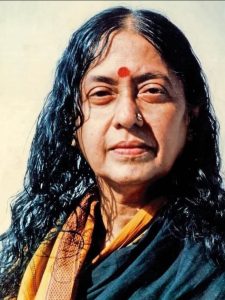
Madhavikutty (Kamala Das): A Life Story of Passion, Poetry, and Literary Legacy
Introduction
Madhavikutty, internationally known as Kamala Das and later as Kamala Surayya, is regarded as one of the most influential and controversial figures in Indian literature. Celebrated for her fearless writing style and honest portrayal of women’s emotions, she transformed both Malayalam and Indian English literature through her poetry, short stories, novels, and autobiography.
Unlike many writers of her generation, Madhavikutty was unafraid to explore themes such as love, loneliness, marriage, identity, and female desire. Her works challenged social norms and inspired generations of readers and writers. Today, she is remembered as a literary pioneer whose voice continues to resonate across cultures and languages.
Madhavikutty Early Life and Family Background
Madhavikutty was born as Kamala on March 31, 1934, in Punnayurkulam, a village in present-day Thrissur district, Kerala, India.
She was born into a highly respected literary and intellectual family.
Madhavikutty Father
Her father, V. M. Nair, was a prominent journalist and later served as the Managing Editor of Mathrubhumi, one of Kerala’s leading newspapers.
Madhavikutty Mother
Her mother, Nalapat Balamani Amma, was one of the most celebrated Malayalam poets of her time.
Growing up in a household filled with literature and intellectual discussions greatly influenced Kamala’s future as a writer.
Madhavikutty Childhood and Influences
Although her ancestral home was in Kerala, much of her childhood was spent in Calcutta (now Kolkata), where her father worked.
This dual exposure to Kerala’s traditional culture and the cosmopolitan environment of Calcutta shaped her worldview and writing style.
Many of her childhood memories, observations, and emotional experiences later appeared in her stories, poems, and autobiography.
She often described herself as a sensitive child who found comfort in books, imagination, and writing.
Madhavikutty Education
Madhavikutty did not pursue higher education through a university degree.
However, her literary education came through extensive reading and exposure to intellectual discussions at home.
She developed remarkable proficiency in both Malayalam and English at a young age.
Her command of language would later enable her to become one of India’s most respected bilingual writers.
Madhavikutty Marriage and Personal Life
At the age of fifteen, Kamala married K. Madhava Das, a banking executive.
The marriage played a significant role in shaping her personal experiences and literary voice.
Throughout her writings, she openly discussed the emotional complexities of married life, relationships, loneliness, and the search for personal fulfillment.
The couple had three sons:
- M. D. Nalapat
- Chinnen Das
- Jayasurya Das
Her openness in incorporating personal experiences into her writing often sparked controversy, yet it also brought her recognition and respect for her honesty.
Beginning of Her Literary Career
Madhavikutty began writing at an early age. She adopted different names for different languages:
Madhavikutty for Malayalam writings
Kamala Das for English writings
Her early works quickly attracted attention because of their emotional depth and unconventional themes.
At a time when many women writers were reluctant to openly express personal emotions, Kamala Das wrote with striking honesty and candor.
Madhavikutty Career as a Malayalam Writer
As Madhavikutty, she became one of Malayalam literature’s most celebrated short-story writers.
Her stories often focused on:
- Women’s inner lives
- Family relationships
- Social expectations
- Love and longing
- Emotional isolation
Famous Malayalam Works
Some of her notable Malayalam works include:
- Neermathalam Pootha Kalam
- Pakshiyude Manam
- Thanuppu
- Neypayasam
- Chandana Marangal
Madhavikutty’s storytelling was distinguished by its simplicity and emotional depth, offering thoughtful insights into human relationships and inner struggles that made her work both impactful and relatable
Career as an English Writer
Kamala Das achieved international recognition through her English poetry.
Rejecting many of the established poetic conventions of her time, Madhavikutty developed a distinctive voice characterized by emotional honesty, self-reflection, and personal storytelling.
Important Poetry Collections
Summer in Calcutta (1965)
The Descendants (1967)
The Old Playhouse and Other Poems (1973)
Her poems explored themes such as:
- Love
- Identity
- Womanhood
- Desire
- Loneliness
- Personal freedom
Many literary scholars consider her one of India’s greatest poets writing in English.
My Story: The Autobiography That Shocked India
One of Madhavikutty’s most celebrated works is her autobiography My Story (Ente Katha in Malayalam), which was published in 1976.
The book sparked widespread debate due to its frank and unfiltered exploration of:
Marriage
- Love
- Relationships
- Personal struggles
- Emotional experiences
During a period when such subjects were seldom openly discussed by women, the autobiography defied social conventions and received both praise and criticism.
Despite the controversy, My Story became one of the most widely read autobiographies in India.
Literary Style and Themes
Madhavikutty’s writing is known for its emotional honesty and psychological depth.
Major Themes in Her Work
Women’s Identity
She drew attention to the emotional struggles women experience as they try to balance what they want for themselves with what society expects of them.
Love and Relationships
Her work provides a nuanced exploration of the emotional depth and complex psychological layers within love, desire, and marriage.
Loneliness
Themes of isolation and deep emotional yearning are recurrent throughout her work.
Self-Discovery
Her characters often seek meaning, independence, and self-understanding.
Social Criticism
She questioned traditional social norms and gender roles.
Comparison: Madhavikutty’s Contributions
Area Contribution
- Malayalam Literature Revolutionized short-story writing
- English Poetry Introduced confessional poetry in India
- Women’s Literature Gave voice to female experiences
- Autobiography Created one of India’s most influential memoirs
- Social Impact Challenged conservative attitudes
Three Real-World Examples of Her Influence
Inspiring Women Writers
Many contemporary Indian women writers consider Kamala Das a source of inspiration for her fearless exploration of personal and social themes.
Academic Recognition
Her works continue to be studied in universities across India and internationally as important examples of feminist and postcolonial literature.
Global Literary Reputation
Her English poems have been translated into numerous languages and included in international literary anthologies.
Conversion to Islam
In 1999, Kamala Das embraced Islam and took the name Kamala Surayya.
The decision attracted widespread media attention and sparked public debate.
She explained that the conversion was a personal spiritual choice.
Despite differing opinions, she remained committed to her literary work and personal beliefs.
Awards and Honors
Throughout her career, Madhavikutty received numerous prestigious awards.
Some of them include:
- Kerala Sahitya Akademi Award
- Vayalar Award
- Muttathu Varkey Award
- Ezhuthachan Award
- Asian Poetry Prize
These honors recognized her immense contribution to literature.
Madhavikutty Death
Madhavikutty passed away on May 31, 2009, at the age of 75 in Pune, Maharashtra.
Her death marked the end of an extraordinary literary career, but her influence continues through her writings.
She was buried in an Islamic way.
Madhavikutty Legacy
Today, Madhavikutty is regarded as one of the most important literary figures in modern Indian history.
Her legacy includes:
- Transforming Malayalam literature
- Elevating Indian English poetry
- Promoting women’s voices in literature
- Inspiring future generations of writers
- Challenging social conventions through literature
More than a decade after her death, her works continue to be read, studied, and celebrated around the world.
Also Read: Mahlape Sello Biography
Frequently Asked Questions (FAQ)
Who was Madhavikutty?
Madhavikutty was a renowned Malayalam writer and poet who also wrote in English under the name Kamala Das.
What was Madhavikutty’s real name?
Her real name was Kamala.
When was Madhavikutty born?
She was born on March 31, 1934.
Why is Madhavikutty famous?
She is famous for her groundbreaking poetry, short stories, autobiography, and contributions to women’s literature.
What is Madhavikutty’s most famous book?
Her autobiography My Story (Ente Katha) is considered one of her most famous works.
When did Madhavikutty die?
She passed away on May 31, 2009.
Conclusion
Madhavikutty was more than a writer; she was a literary revolutionary who transformed the way personal experiences, emotions, and women’s perspectives were expressed in Indian literature. Through her fearless storytelling and deeply personal poetry, she challenged conventions and inspired countless readers and writers.
Her life and work continue to remind us of the power of honest expression and the enduring impact of literature on society. Even today, Madhavikutty remains an unforgettable voice in Malayalam and Indian English literature.
About The Author
