

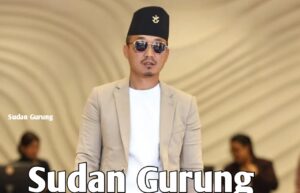
You might have heard of Sudan Gurung if you have been following Nepal’s politics for a year. By 2026 he will have become one of the well-known young leaders in Nepal. He serves as the Minister of Home Affairs under Prime Minister Balendra Shah.
What makes his story interesting is his journey. He wasn’t born into politics. He didn’t follow the path of party politics. Instead he made his way. He started as a DJ and nightclub owner. Then he became an activist. Eventually he rose to a position in government.
Early Life and Background
Sudan Gurung was born in 1989 in Gorkha, Nepal. This district is known for its history and culture. Growing up in the Gurung community he was surrounded by traditions that emphasized resilience and community.
His early life was different from the world of politics. He worked as an event organizer and DJ. He even owned a nightclub called OMG in Kathmandu.
This unusual background gave him a view. Unlike politicians Gurung understood what young Nepalis wanted. They wanted freedom and opportunities beyond society.
The Turning Point: 2015 Earthquake
The 2015 Nepal earthquake was a moment in Gurung’s life. He saw the destruction and suffering. He realized that entertainment wasn’t enough. He started doing work.
Then he founded Hami Nepal. This is a youth-led NGO that helps people. It started with disaster relief. Over time it expanded to governance and civic participation.
Also Read: The Life and Legacy of Professor Anele Hammond: A Journey of Excellence and Impact
Founding of Hami Nepal
Hami Nepal became more than an NGO. It became a movement. Under Gurung’s leadership it was a platform for Nepalis to engage in activism. They demanded reforms. Challenged the government.
Through Hami Nepal, Gurung built credibility as a leader. He could mobilize people. Deliver results. His activism laid the foundation for his entry into politics.
Rise to Prominence: Gen Z Protests
Sudan Gurung’s national breakthrough came during the Gen Z protests of September 2025. The government had banned media platforms. Young people were outraged. They saw freedom as essential to democracy.
Gurung emerged as a figure. He articulated the frustrations of a generation that felt silenced. His speeches and organizational skills galvanized thousands of Nepalis.
The protests were a turning point in Nepal’s politics. They highlighted the power of youth activism. For Gurung the protests were a milestone. They transformed him from an activist into a leader.
Also Read: Aisha Achimugu Biography: The Story of Power, Wealth, Influence, and Controversy
Political Career
In March 2026 Gurung contested the elections. He won the seat for Gorkha Constituency-1. His victory was symbolic. It showed that activism could translate into success.
After Prime Minister Balendra Shah appointed him as the Minister of Home Affairs. This is one of the powerful positions in government.
As Home Minister, Gurung oversees security and law enforcement. His appointment marked a shift in Nepal’s politics.
Age and Personal Life
As of 2026 Sudan Gurung is 36–37 years old. His personal journey reflects his experiences. He remains connected to his Gurung heritage. He advocates for rights and youth participation in governance.
Achievements and Influence
By 2026 Gurung’s achievements include:
- Founding Hami Nepal
- Leading the Gen Z protests
- Winning the seat for Gorkha-1
- Appointment as Minister of Home Affairs
- Advocating for rights and digital freedom
His influence extends beyond politics. He is seen as an icon. He embodies the aspirations of Nepalis who want their country to embrace modernity while preserving tradition.
Challenges and Criticism
Of course Gurung’s journey has not been without challenges. Critics argue that his background makes him inexperienced. Others question whether his activist style can translate into policymaking.
He faces the challenge of balancing his identity with high office. Yet Gurung has shown resilience. He insists that his path is precisely what makes him capable of bringing perspectives.
Legacy and Future
Sudan Gurung’s legacy is taking shape. He is seen as one of Nepal’s generational shift leaders. His journey inspires people to believe they can make a difference.
Looking ahead, Gurung’s future seems promising. If he continues to deliver he could become a defining figure in politics.
Conclusion
Sudan Gurung’s biography is a story of transformation and resilience. From DJ to activist to Minister of Home Affairs his journey reflects Nepal’s evolving politics.
At 36 Gurung represents a generation. They are young, bold and unafraid to challenge the status quo. His legacy lies in the movement he symbolizes: the rise of youth-driven politics in Nepal.
About The Author
