
Francis Meja Biography by “SOLO GIKZ“
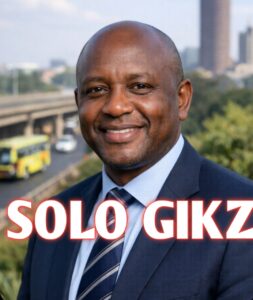
This biography explores the life, career, and legacy of Francis Meja, a man whose work continues to influence how Kenyans move, work, and interact with their government.
Francis Meja Biography: From Transport Reformer to Public Service Visionary. Francis Mooke Meja is a name synonymous with institutional reform, public sector innovation, and strategic leadership in Kenya. With a career spanning over two decades in both the public and private sectors, Meja has played a pivotal role in transforming Kenya’s transport systems and, more recently, shaping the future of public service. From his groundbreaking work at the National Transport and Safety Authority (NTSA) to his current role as a Commissioner and now Chairperson nominee of the Public Service Commission (PSC), Meja’s journey reflects a deep commitment to governance, accountability, and national development.
Francis Meja Early Life and Education
Francis Meja was born and raised in Kenya, though specific details about his early life remain private. What is clear, however, is that from a young age, Meja demonstrated a keen interest in systems, structure, and service. His academic pursuits reflected this inclination, as he went on to specialize in Information Technology, Strategic Management, and Transport Logistics, fields that would later define his professional identity.
He holds a degree in Information Technology and has undergone extensive training in strategic leadership, public administration, and transport systems management. His educational background equipped him with the tools to navigate complex bureaucracies and implement large-scale reforms.
Also Read: The Many Lives of Robert McBride: Soldier, Spy, Survivor
Francis Meja Early Career
Before entering public service, Meja built a solid foundation in the banking and transport sectors, where he gained over 15 years of experience. His work in the private sector honed his skills in corporate governance, financial management, and customer service, skills that would later prove invaluable in his public service roles.
His transition from the private to the public sector was driven by a desire to contribute to national development and to bring private-sector efficiency into government institutions. This blend of experiences gave him a unique perspective on how to reform public systems from within.
Director General of the National Transport and Safety Authority (NTSA)
Francis Meja’s most prominent public role came when he was appointed as the founding Director General of the National Transport and Safety Authority (NTSA). Established in 2012, the NTSA was created to harmonize road transport functions and improve road safety in Kenya.
Under Meja’s leadership, the NTSA became a central player in Kenya’s transport ecosystem. His tenure was marked by several key achievements:
Digitization of Transport Services
Meja spearheaded the digitization of key services, including: Online vehicle registration.
Digital driving license applications
Automated inspection and licensing systems
These reforms significantly reduced corruption, improved efficiency, and enhanced transparency in service delivery.
Road Safety Campaigns: Recognizing the alarming rate of road accidents in Kenya, Meja launched nationwide road safety campaigns targeting drivers, pedestrians, and boda boda operators. These campaigns emphasized: Defensive driving. Use of seat belts and helmets. Drunk driving awareness. Speed regulation enforcement
Smart Driving Licenses
One of Meja’s most lauded innovations was the introduction of smart driving licenses embedded with biometric data and a points-based system to track traffic offenses. This initiative aligned Kenya with global best practices and helped curb repeat offenses.
Francis Meja Integrated Transport Management System (TIMS)
Meja oversaw the development and rollout of the Transport Integrated Management System (TIMS), which centralized all transport-related data and services. TIMS allowed for: Real-time vehicle tracking. Centralized driver records. Enhanced law enforcement coordination
Francis Meja Challenges and Criticism
Despite his achievements, Meja’s tenure at NTSA was not without controversy. The authority faced criticism over:
Alleged corruption in vehicle inspection and licensing.
Public frustration with system downtimes and delays.
Questions about the effectiveness of road safety enforcement.
Meja responded to these challenges with transparency, often engaging the media and stakeholders to explain reforms and address concerns. He emphasized that systemic change takes time and that resistance was expected when disrupting entrenched interests.
Francis Meja Transition to the Public Service Commission (PSC)
In January 2025, Francis Meja was appointed as a Commissioner of the Public Service Commission (PSC) by President William Ruto, with the approval of the National Assembly. He was sworn into office on January 20, 2025, marking a new chapter in his public service career.
At the PSC, Meja chairs the Standing Committee on Human Resource Planning, Recruitment, and Selection. He is also a member of the: Standing Committee on Public Affairs, Communication, and Digital Transformation.
Standing Committee on Organizational Design and Career Development
His role involves overseeing the recruitment of civil servants, ensuring merit-based appointments, and driving digital transformation within the public sector.
Francis Meja Vision for Public Service Reform
Meja’s work at the PSC reflects his broader vision for a professional, accountable, and citizen-centric public service. His priorities include:
Merit-Based Recruitment: He advocates for transparent hiring processes that prioritize competence over political connections. Under his leadership, the PSC has introduced:
Online application portals
Standardized interview protocols
Independent vetting panels
Digital Transformation
Building on his IT background, Meja is pushing for the digitization of HR functions, including:
E-recruitment systems,
Digital personnel records,
Online performance appraisal tools,
Capacity Building: Meja believes in continuous learning and has championed training programs for civil servants in areas such as:
Leadership and ethics,
Public financial management,
Customer service excellence,
Youth Inclusion: He is a vocal advocate for youth employment and has worked to ensure that government internships and entry-level jobs are accessible to recent graduates.
Francis Meja Nomination as Chairperson of the Public Service Commission
In January 2026, President Ruto nominated Francis Meja as the Chairperson of the Public Service Commission, following the appointment of Ambassador Anthony Muchiri as Kenya’s envoy to Türkiye.
If confirmed by Parliament, Meja will assume leadership of a constitutional commission tasked with:
Overseeing the human resource function of the national public service.
Promoting values and principles of public service.
Ensuring efficiency, effectiveness, and integrity in government institutions.
His nomination comes at a time when the PSC faces challenges such as:
Political interference in appointments,
Corruption in recruitment processes,
Capacity gaps in devolved units,
Resistance to reform.
Observers believe that Meja’s experience, especially in institutional reform and digital transformation, makes him well-suited to lead the PSC into a new era of modernization and accountability.
Francis Meja Personal Life and Values
Francis Meja is known for his discipline, humility, and work ethic. Though he maintains a low public profile, those who have worked with him describe him as:
A strategic thinker
A consensus builder
A results-oriented leader
He is also a family man and a mentor to young professionals in the public sector. He often speaks about the importance of integrity, service, and innovation in governance.
Francis Meja Legacy and Impact
Francis Meja’s legacy is still unfolding, but his impact is already evident in several areas:
Transport Sector Reform: Modernized Kenya’s road transport systems and introduced digital licensing. Public Service Transformation: Advocated for meritocracy, digitalization, and youth inclusion in civil service.
Institutional Leadership: Demonstrated how technocrats can drive change in politically sensitive environments.
His story is one of vision, resilience, and service, a reminder that public institutions can be engines of progress when led with integrity and purpose.

Final Conclusions
Francis Meja’s biography is not just a chronicle of positions held, it is a story of systems built, values upheld, and futures shaped. In a country where public trust in institutions is often fragile, Meja stands out as a leader who believes in the power of reform, the promise of technology, and the dignity of service.
As he prepares to take on the mantle of PSC Chairperson, Kenyans will be watching, not just for what he says, but for what he does. And if his past is any indication, the future of Kenya’s public service is in capable hands.
About The Author
